
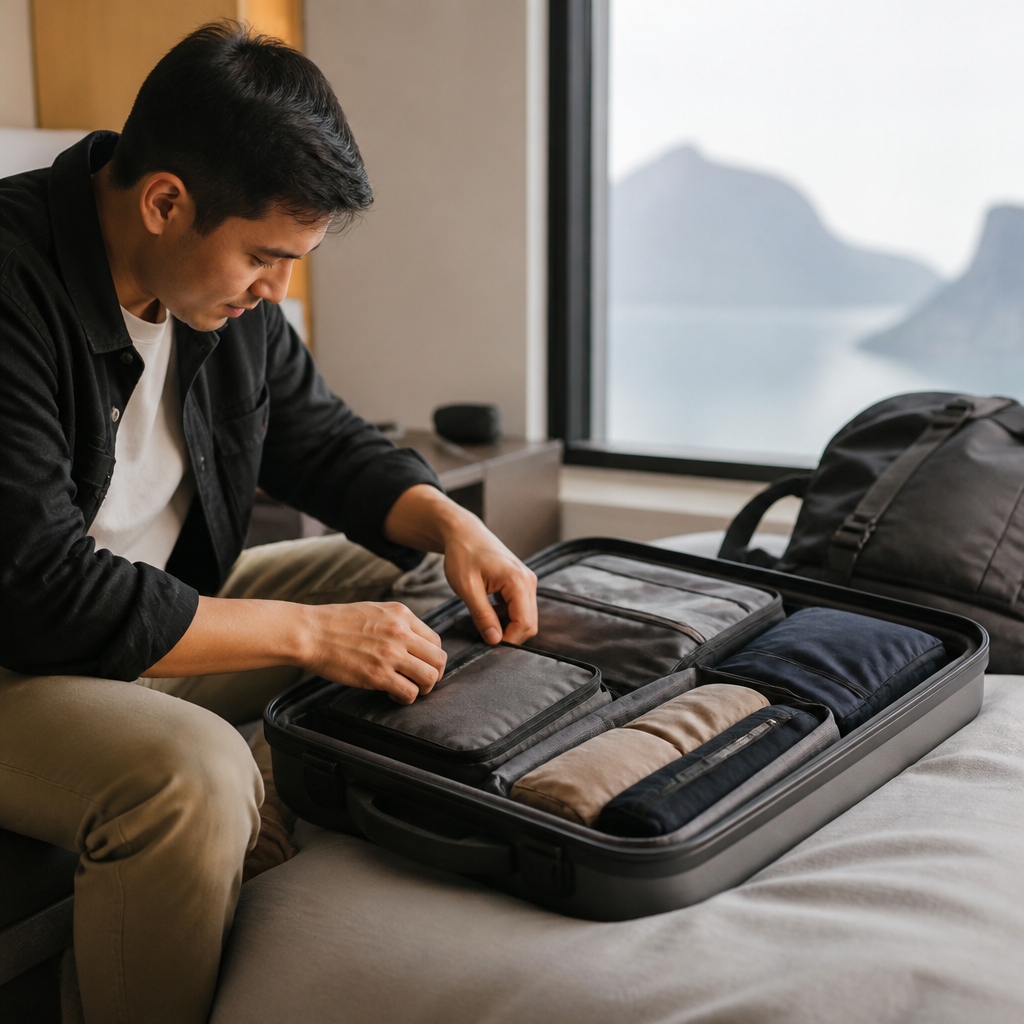
Travel has evolved from a luxury reserved for the few into an accessible lifestyle embraced by millions worldwide. Yet despite the proliferation of travel blogs, apps, and resources, one persistent challenge remains: maintaining order in both our physical spaces and our itineraries. The intersection of home organization and travel planning creates unique opportunities for those seeking to optimize their journeys while keeping their living spaces functional and clutter-free. As we navigate increasingly mobile lifestyles, the principles of effective organization become not just helpful but essential to sustainable travel habits.
The Foundation: Creating Systems That Support Movement
Successful travelers understand that organization begins long before departure. The home serves as a launching pad, and its level of order directly impacts travel readiness. When closets overflow with unused items and storage spaces lack coherent systems, packing becomes stressful and inefficient. Establishing designated zones for travel gear, seasonal clothing, and essential documents transforms the pre-trip experience from chaotic scrambling to methodical preparation.
The concept of “travel-ready” organization means designing storage solutions that accommodate both everyday life and periodic departures. This might involve installing modular shelving that can hold both daily-use items and travel accessories, or implementing drawer organizers that separate travel-specific gear from regular belongings. The goal is eliminating the friction between settled living and spontaneous adventure.
Small-Space Solutions for the Frequent Traveler
Urban dwellers and apartment residents face particular challenges when balancing travel aspirations with limited square footage. Compact living demands creative approaches to storage, especially when maintaining collections of gear for different climates and activities. Vertical storage solutions, under-bed organizers, and multi-functional furniture become critical tools in maximizing available space without sacrificing accessibility.
Implementing strategies from experts at small space organization can dramatically improve how travel items integrate into tight quarters. Vacuum-sealed bags compress off-season clothing, while hanging organizers utilize often-wasted vertical wall space. The key lies in creating systems that remain sustainable over time rather than requiring constant maintenance or reorganization.
Capsule Travel Wardrobes: Less is Actually More
The capsule wardrobe philosophy has gained tremendous traction among experienced travelers who recognize that versatility trumps volume. By selecting pieces that coordinate seamlessly and serve multiple purposes, travelers can reduce luggage weight while expanding outfit possibilities. This approach requires thoughtful curation at home, where closet organization directly influences packing efficiency.
Building a travel capsule begins with honest assessment of actual wearing habits versus aspirational ones. Neutral base colors, layerable pieces, and wrinkle-resistant fabrics form the foundation. When these items are properly organized at home in clearly labeled sections, assembling them for departure becomes a five-minute task rather than an hour-long ordeal.
Digital Organization Meets Physical Space
Modern travel demands managing both physical belongings and digital information streams. Confirmation emails, booking references, insurance documents, and itineraries accumulate quickly across multiple platforms and accounts. Creating parallel organizational systems for digital and physical assets ensures nothing critical slips through the cracks.
Cloud-based storage solutions allow travelers to access important documents from anywhere while maintaining physical backup copies in organized home filing systems. Password managers eliminate the chaos of multiple logins, while dedicated travel folders in email clients keep trip-related correspondence searchable and accessible. This dual-system approach provides redundancy that proves invaluable when technology fails or internet access disappears.
Solo Travel and Streamlined Living
The rise of solo travel has introduced new dimensions to organization requirements. Without travel companions to share the load or provide backup supplies, solo adventurers must optimize their systems for independence and self-sufficiency. This means carefully considering what to carry, what to leave behind, and what can be acquired at destinations. For those exploring the world independently, resources like guidance on top solo travel destinations can inform both trip planning and the organizational strategies needed to support those adventures.
Solo travelers benefit enormously from home bases that function as efficient reset points between journeys. Maintaining organized spaces for gear inspection, clothing rotation, and equipment maintenance becomes part of the travel rhythm itself. When everything has a designated place and purpose, transitions between trips feel seamless rather than disruptive.
The Psychological Benefits of Order
Beyond practical advantages, organized living spaces contribute significantly to travel enjoyment through reduced mental load. Knowing exactly where passports, adapters, medications, and other essentials reside eliminates the anxiety that accompanies last-minute searches. This psychological ease extends to the travel experience itself, where organized packing allows for confident navigation of airport security, hotel check-ins, and destination activities.
Research consistently demonstrates that cluttered environments increase stress hormones and diminish focus. For travelers seeking rejuvenation and adventure, returning to chaotic living spaces undermines the restorative benefits of time away. Conversely, well-organized homes amplify the positive effects of travel by providing calm, functional environments that support both preparation and recovery.
Organized Living: Building Sustainable Travel Lifestyles
When we think about establishing genuinely travel-friendly home environments, we’re really talking about creating spaces that adapt to dynamic lifestyles without constant reorganization. Whether traveling for business, pleasure, or extended periods, the foundational principles remain consistent: everything accessible, nothing excessive, systems maintainable. Those who integrate solutions from companies like Organized Living into their homes often discover that the right infrastructure makes frequent departures and arrivals feel natural rather than disruptive. Quality organizational products designed specifically for clothing, accessories, and travel gear transform standard closets and storage areas into highly functional systems that require minimal ongoing adjustment.
The investment in proper organizational infrastructure pays dividends across years of travel. Custom closet systems, modular storage solutions, and purposefully designed spaces accommodate changing needs without requiring complete overhauls. This adaptability proves especially valuable as travel patterns evolve, whether shifting from weekend getaways to extended international journeys or transitioning between different life stages with varying mobility requirements.
Maintenance Routines That Support Ongoing Adventures
Creating organized systems represents only half the equation; maintaining them requires establishing sustainable routines. Successful travelers implement post-trip protocols that include immediate unpacking, gear inspection, laundry processing, and restocking of consumables. These habits prevent the accumulation of disorder that eventually makes future trips more difficult to arrange.
Building these routines starts with recognition that organization is an ongoing practice rather than a one-time achievement. Setting aside specific time after each trip for gear maintenance and space resetting ensures the home remains departure-ready. This discipline transforms travel from an occasional disruption requiring extensive preparation into a seamless component of everyday life.
Looking Forward: Organization as Travel Enabler
As remote work and digital nomadism become increasingly common, the relationship between organized living spaces and travel capability grows stronger. The ability to depart on short notice, maintain multiple locations, and navigate extended periods away from home base depends fundamentally on organizational foundations established in primary residences. Those who invest time and resources in creating these systems find themselves more capable of embracing spontaneous opportunities and unconventional travel patterns.
The future of travel likely involves even greater fluidity between home and destination, with travelers maintaining organized systems across multiple locations. Cloud-based inventories, standardized packing lists, and distributed storage solutions will continue evolving to support increasingly mobile populations. The core principle remains unchanged: thoughtful organization expands possibilities rather than constraining them.
Ultimately, the marriage of effective home organization and thoughtful travel planning creates lifestyles characterized by freedom rather than friction. By establishing systems that support both staying and going, modern travelers unlock the full potential of our interconnected world while maintaining the stability and order that make adventure sustainable over the long term.


